Brittany

Brittany

At the end of Antiquity, Great Britain, then a Roman province, suffered Saxon invasions. Unable to resist these incursions, the Breton people fled their island to settle in « little Britain ». Gradually, over the centuries, “little Britain” simply became Brittany and its people organized themselves independently and first formed a kingdom, which would become a duchy a few centuries later.

For more than a thousand years, they resisted invaders, sometimes English, sometimes Frankish. From this resistance, a unique cultural identity is born, with its own language and Celtic traditions. Legends are born there, like that of King Arthur and a certain mysticism around these druids and dolmens.

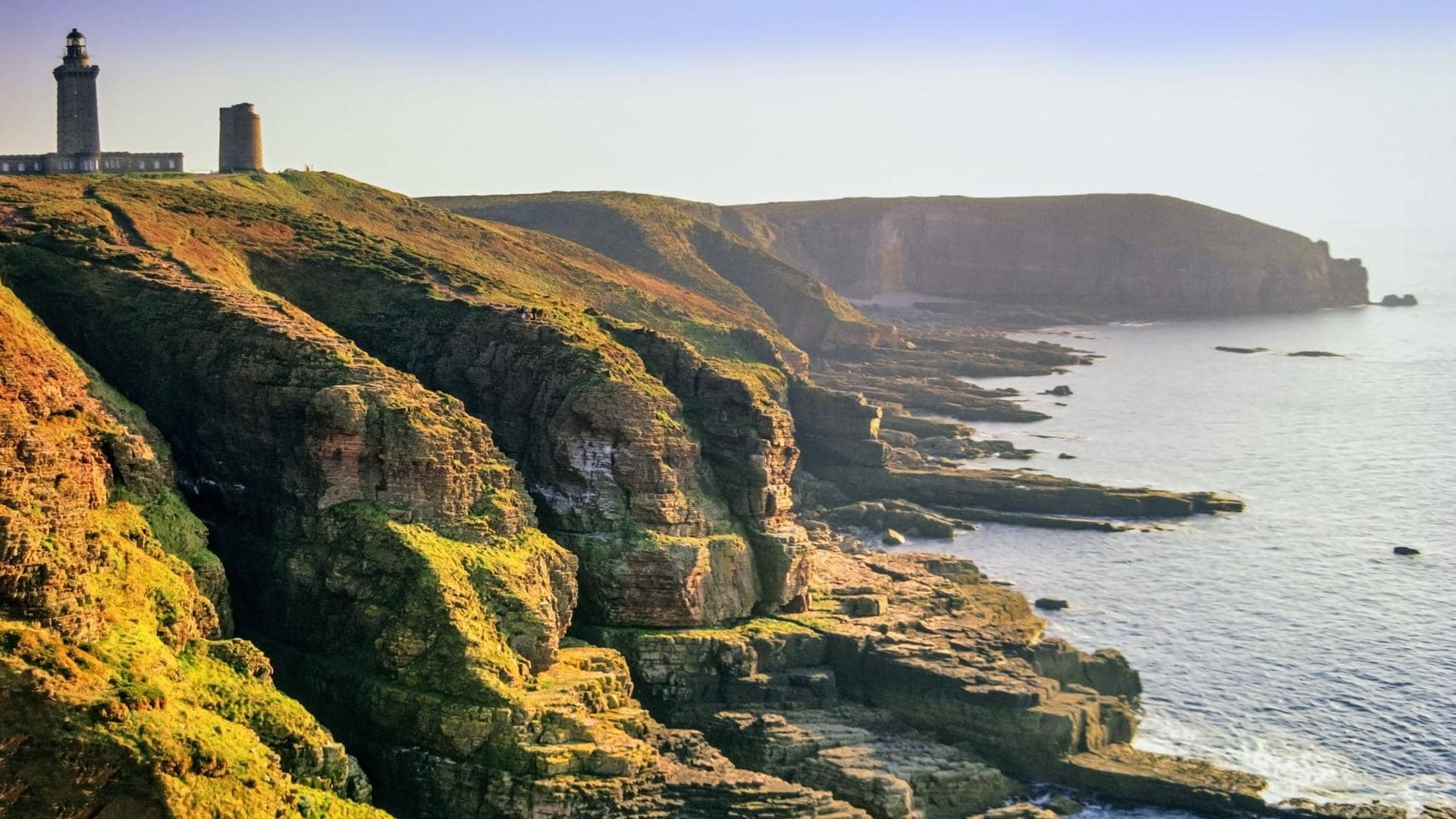
Fort Lalatte
Lorem
Saint Malo


Little by little, Brittany developed an antagonism with its Anglo-Saxon neighbour. The duchy created maritime fortresses, such as Fort La Latte or the Cap Fréhel lighthouse, as well as land defenses, such as the ramparts and the castle of Dinan. During the Hundred Years War, the Duke of Brittany joined forces with the King of France and supplied the Frankish knights besieged by the English army on Mont-Saint-Michel at night.

Finally, the duchy was attached to the kingdom of France in 1532 and the rest of Breton history is now closely linked to that of France.

With more than 1100 miles of coastline and nearly 800 islands, Brittany remains above all a territory facing the sea. The Gauls called the region “Armorique”, which means “country facing the sea”. It is known for its fishermen, its maritime trade and its explorers. Saint-Malo is the perfect symbol of this and is nicknamed the city of corsairs.

Interested?
Contact us

OUR OTHER DESTINATIONS

Normandy

Loire valley

champagne

waterloo

Bastogne

new

new